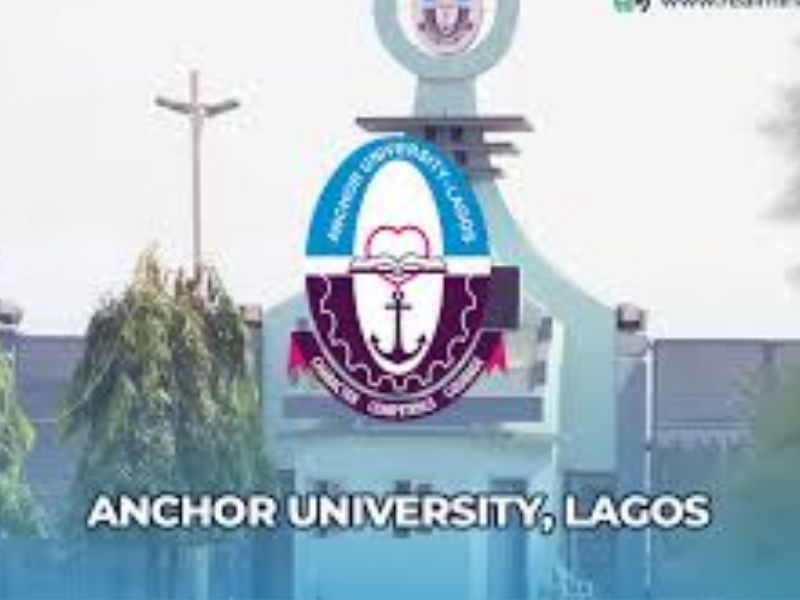
Anchor University, situated in Lagos, Nigeria, is a faith-based, private institution founded by the Deeper Christian Life Ministry. Since its inception in 2016, it has aimed to provide quality education rooted in Christian values, preparing students for academic excellence and impactful careers.
With a focus on holistic development, modern facilities, and innovative programs, Anchor University has quickly gained recognition as a significant player in Nigeria’s higher education landscape. This article offers an in-depth exploration of Anchor University, covering its history, academic programs, campus life, admission processes, and contributions to Nigerian education.
History and Mission of Anchor University
Anchor University was established to address the growing demand for quality tertiary education in Nigeria while fostering moral and spiritual development. Founded by the Deeper Christian Life Ministry, a prominent Christian organization led by Pastor William Folorunso Kumuyi, the university opened its doors in 2016 after receiving approval from the National Universities Commission (NUC). Its mission is to produce graduates who are academically sound, morally upright, and equipped to contribute positively to society. Anchor University emphasizes a Christ-centered approach, blending rigorous academics with ethical training to shape well-rounded individuals.
The university’s vision is to be a globally competitive institution that produces graduates with the skills and character to excel locally and internationally. By integrating faith-based principles into its curriculum, Anchor University seeks to address Nigeria’s educational challenges, including access to quality education and the development of ethical leadership. Since its establishment, the institution has grown steadily, attracting students from across Nigeria and beyond who are drawn to its unique blend of academic rigor and spiritual grounding.
Academic Programs and Faculties
Anchor University offers a range of undergraduate programs across three main faculties: the Faculty of Science and Science Education, the Faculty of Social and Management Sciences, and the Faculty of Humanities. These faculties house departments designed to meet the demands of modern industries while aligning with the university’s mission.
Faculty of Science and Science Education
This faculty focuses on science and technology, preparing students for careers in fields like computer science, microbiology, and physics. Programs include:
-
B.Sc. Computer Science: Equips students with skills in programming, software development, and cybersecurity.
-
B.Sc. Microbiology: Focuses on biological sciences, with applications in health, agriculture, and research.
-
B.Sc. Physics with Electronics: Combines theoretical physics with practical applications in electronics and technology.
-
B.Sc. Mathematics: Emphasizes analytical skills for careers in data science, finance, and academia.
The faculty emphasizes hands-on learning through well-equipped laboratories and partnerships with industry stakeholders, ensuring graduates are competitive in STEM fields.
Faculty of Social and Management Sciences
This faculty offers programs tailored to business and societal needs, including:
-
B.Sc. Accounting: Prepares students for careers in financial management, auditing, and taxation.
-
B.Sc. Business Administration: Focuses on entrepreneurship, management, and organizational leadership.
-
B.Sc. Economics: Explores economic theory and policy, with applications in development and finance.
-
B.Sc. Political Science: Examines governance, international relations, and public policy.
These programs integrate practical training with ethical considerations, aligning with Anchor University’s commitment to producing socially responsible professionals.
Faculty of Humanities
The Faculty of Humanities offers programs that foster critical thinking and cultural awareness, such as:
-
B.A. English and Literary Studies: Develops skills in communication, literature, and critical analysis.
-
B.A. History and International Studies: Explores historical events and global diplomacy.
-
B.A. Christian Religious Studies: Provides in-depth knowledge of theology and Christian ethics, reflecting the university’s faith-based foundation.
Each program is designed to balance academic rigor with moral instruction, preparing students for leadership roles in diverse sectors.
Anchor University is expanding its academic offerings, with plans to introduce postgraduate programs and additional undergraduate courses in response to Nigeria’s evolving educational needs. The university’s commitment to innovation ensures its curriculum remains relevant in a rapidly changing global landscape.
Campus Facilities and Infrastructure
Located in Ayobo, Ipaja, Lagos, Anchor University boasts a serene and conducive environment for learning. The campus features modern facilities designed to support academic and extracurricular activities, including:
-
Academic Buildings: Well-equipped lecture halls and seminar rooms with multimedia tools to enhance teaching and learning.
-
Laboratories: State-of-the-art science and computer labs for hands-on training in STEM programs.
-
Library: A digital and physical library with access to academic journals, books, and e-resources to support research and study.
-
Hostels: Comfortable on-campus accommodations with separate facilities for male and female students, ensuring safety and convenience.
-
Recreational Facilities: Sports fields, a gymnasium, and spaces for extracurricular activities to promote physical and social development.
-
Chapel: A dedicated space for worship and spiritual activities, reflecting the university’s faith-based ethos.
The campus is designed to create a balanced environment where students can thrive academically, socially, and spiritually. Anchor University continues to invest in infrastructure to accommodate its growing student population and enhance the learning experience.
Admission Process and Requirements
Admission to Anchor University is competitive yet accessible, with a streamlined process to attract qualified candidates. The university admits students through the Unified Tertiary Matriculation Examination (UTME) and Direct Entry (DE) routes.
UTME Admission
To be eligible for admission through UTME, candidates must:
-
Obtain a minimum score of 160 in the UTME, though higher scores are recommended for competitive programs.
-
Have at least five O-Level credits (including English Language and Mathematics) in relevant subjects, obtained in no more than two sittings.
-
Choose Anchor University as their first choice in the UTME or change their institution to Anchor University through JAMB.
-
Participate in the university’s Post-UTME screening, which assesses academic qualifications and alignment with the institution’s values.
Direct Entry Admission
Candidates with advanced qualifications, such as A’Levels, OND, or HND, can apply for Direct Entry into 200-level programs. Requirements include:
-
Relevant A’Level passes or equivalent qualifications in subjects related to the chosen course.
-
O’Level credits as specified for UTME candidates.
-
Submission of academic transcripts and other required documents.
Application Process
-
Apply Through JAMB: Candidates must register for the UTME or DE through the Joint Admissions and Matriculation Board (JAMB) and select Anchor University.
-
Complete the Online Application: Visit the Anchor University admissions portal (www.aul.edu.ng) to fill out the application form and upload required documents.
-
Participate in Post-UTME Screening: Attend the screening exercise, which may include a written test, interview, or verification of credentials.
-
Accept Admission Offer: Successful candidates receive admission offers through the university’s portal or JAMB CAPS and must accept within the stipulated timeframe.
-
Pay Fees: Pay the acceptance fee and tuition to secure the admission slot.
The application portal provides detailed guidelines, and the admissions office offers support for inquiries. Anchor University encourages early applications to meet deadlines, typically between June and September each year.
Tuition and Financial Aid
As a private institution, Anchor University’s tuition fees are higher than those of public universities but are competitive within Nigeria’s private education sector. Fees vary by program and faculty, with science-based courses generally costing more due to laboratory requirements. For the 2024/2025 academic session, approximate tuition fees range from ₦500,000 to ₦700,000 per session, excluding accommodation and other charges.
To support students, Anchor University offers limited scholarships and financial aid options, primarily through:
-
Merit-Based Scholarships: Awarded to students with outstanding academic performance, such as high UTME scores or excellent grades in their first year.
-
Need-Based Aid: Available for students from low-income backgrounds, subject to verification of financial status.
-
Deeper Life Church Sponsorships: Members of the Deeper Christian Life Ministry may receive partial sponsorships or discounts, depending on availability.
-
External Scholarships: Students are encouraged to apply for scholarships from government agencies, NGOs, or private organizations, such as the MTN Foundation Scholarship or the Agbami Scholarship for science students.
Prospective students should contact the university’s bursary or financial aid office for updated fee structures and scholarship opportunities. Anchor University also offers flexible payment plans to ease the financial burden on families.
Student Life and Extracurricular Activities
Anchor University fosters a vibrant student community that balances academics with personal and spiritual growth. The university’s faith-based environment encourages discipline, integrity, and community engagement, creating a unique campus culture.
Spiritual Life
As a Christian institution, Anchor University integrates spiritual activities into student life. Weekly chapel services, Bible study groups, and prayer meetings provide opportunities for students to grow in faith. The university’s code of conduct emphasizes modesty, respect, and ethical behavior, aligning with its mission to produce morally upright graduates.
Clubs and Societies
Students can join various clubs and societies to develop leadership skills and pursue their interests. Examples include:
-
Academic Clubs: Such as the Computer Science Club and Economics Society, which organize workshops and competitions.
-
Cultural and Creative Groups: Including drama, music, and literary societies that showcase talent during campus events.
-
Community Service Groups: Focused on outreach programs, such as volunteering in local communities or supporting charitable causes.
Sports and Recreation
Anchor University promotes physical fitness through sports like football, basketball, and volleyball. The campus sports facilities host interdepartmental competitions and recreational activities, fostering teamwork and camaraderie.
Events and Traditions
The university organizes events like Founders’ Day, cultural weeks, and convocation ceremonies, which celebrate academic achievements and community spirit. These events provide platforms for students to network, showcase talents, and engage with faculty and alumni.
Faculty and Academic Support
Anchor University prides itself on its qualified faculty, comprising experienced academics and industry professionals. Lecturers are selected for their expertise and commitment to the university’s values, ensuring students receive high-quality instruction. The university maintains a low student-to-faculty ratio, allowing for personalized attention and mentorship.
Academic support services include:
-
Academic Advising: Each student is assigned an advisor to guide course selection and career planning.
-
Writing and Research Centers: Support for improving writing skills and conducting research projects.
-
Career Services: Workshops and counseling to prepare students for internships, job placements, and graduate studies.
The university also encourages faculty-student collaboration on research, particularly in STEM fields, fostering innovation and practical experience.
Contributions to Nigerian Education
Anchor University is contributing significantly to Nigeria’s higher education system by addressing key challenges, such as:
-
Access to Quality Education: By offering programs aligned with industry needs, Anchor University helps bridge the gap between education and employment.
-
Moral and Ethical Training: Its faith-based approach produces graduates who prioritize integrity, addressing Nigeria’s need for ethical leadership.
-
STEM Development: The university’s focus on science and technology supports Nigeria’s push for innovation and industrialization.
-
Community Engagement: Through outreach programs, Anchor University contributes to social development in Lagos and beyond.
The university’s accreditation by the NUC ensures that its programs meet national standards, and its growing reputation attracts partnerships with local and international organizations. Anchor University’s emphasis on holistic education positions it as a model for other faith-based institutions in Nigeria.
Challenges and Future Prospects
Despite its achievements, Anchor University faces challenges common to private universities in Nigeria:
-
Funding: Limited financial resources can restrict infrastructure development and scholarship offerings.
-
Competition: The university competes with established institutions like the University of Lagos and Covenant University for top students.
-
Public Perception: As a relatively new institution, Anchor University must work to build a strong brand and alumni network.
Looking ahead, Anchor University plans to expand its academic programs, including postgraduate studies and professional courses. Investments in research facilities, international partnerships, and digital learning platforms are also priorities. The university aims to increase its global visibility by participating in academic rankings and fostering exchange programs.
Conclusion
Anchor University is a rising star in Nigeria’s higher education landscape, offering a unique blend of academic excellence, spiritual growth, and practical training. Its commitment to producing graduates who are both skilled and ethically grounded makes it an attractive choice for students seeking a transformative educational experience. With modern facilities, diverse programs, and a supportive community, Anchor University is well-positioned to shape the future of Nigerian education.
Prospective students are encouraged to explore the university’s website (www.aul.edu.ng) for detailed information on programs, admissions, and scholarships. By choosing Anchor University, students can embark on a journey of academic and personal growth, anchored in faith and driven by a vision for global impact.